THE MUSEUM OF I LOVE YOU SO MUCH #3
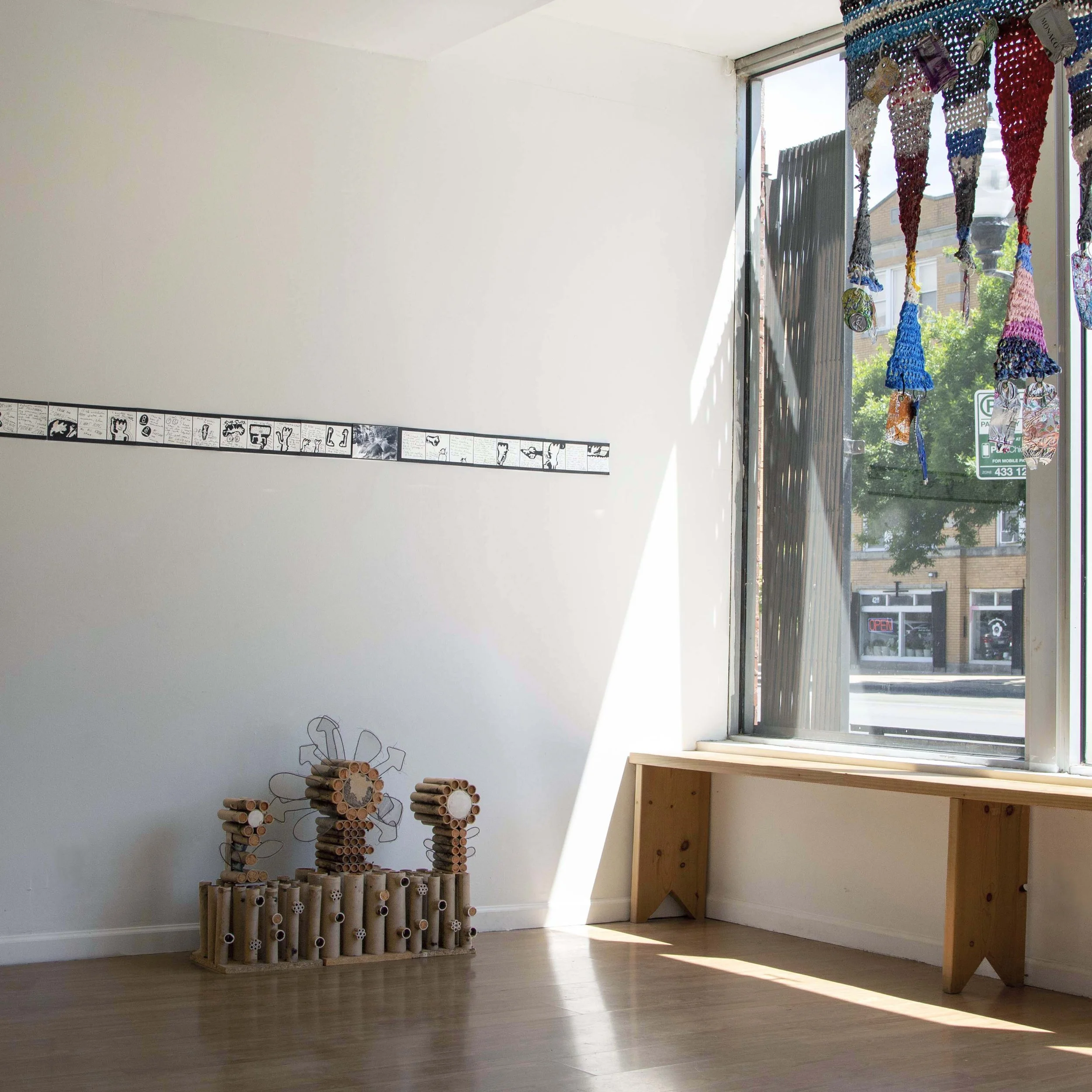
A group exhibition curated by Hannah Tishkoff
May 30, 2026 - July 12, 2026
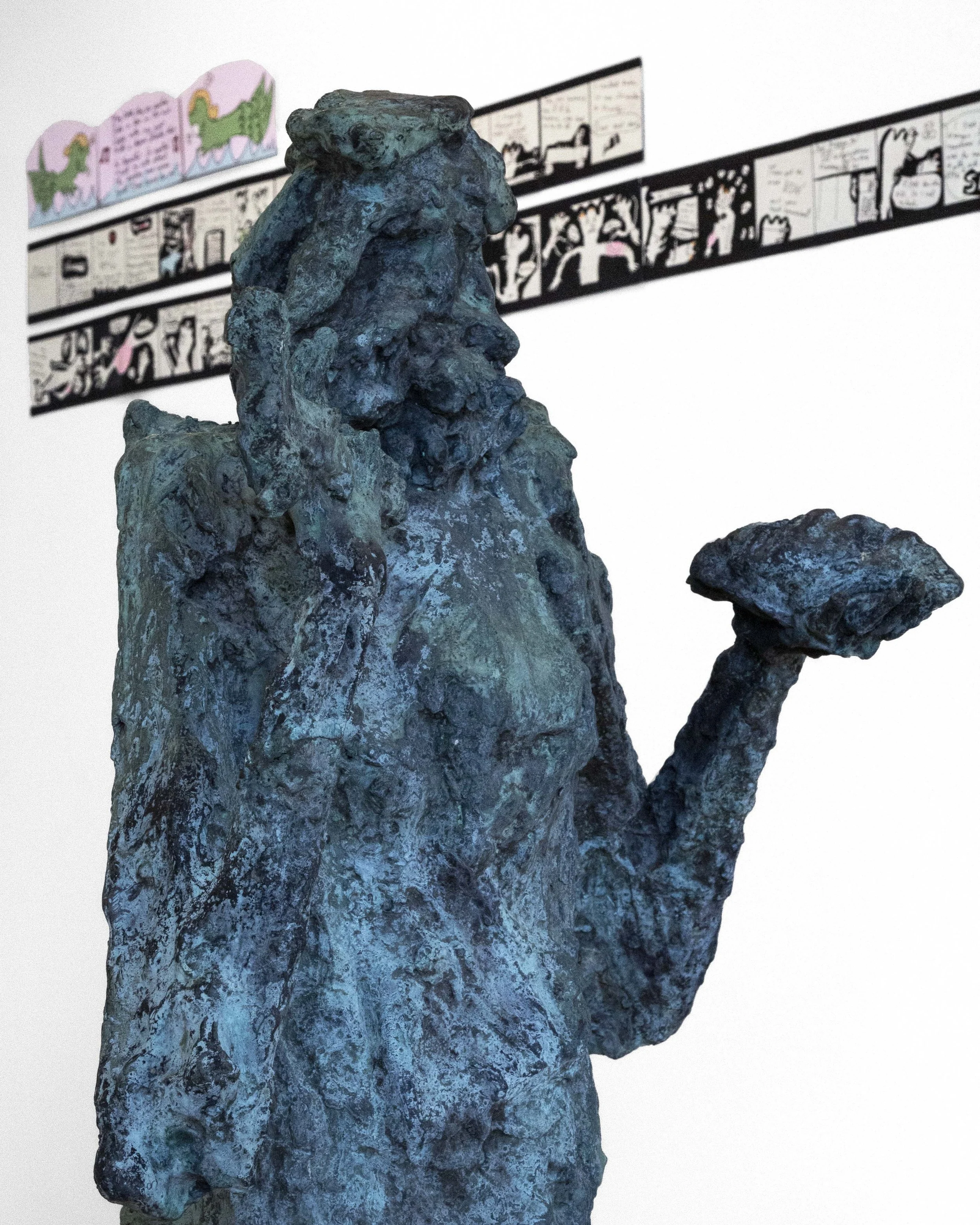
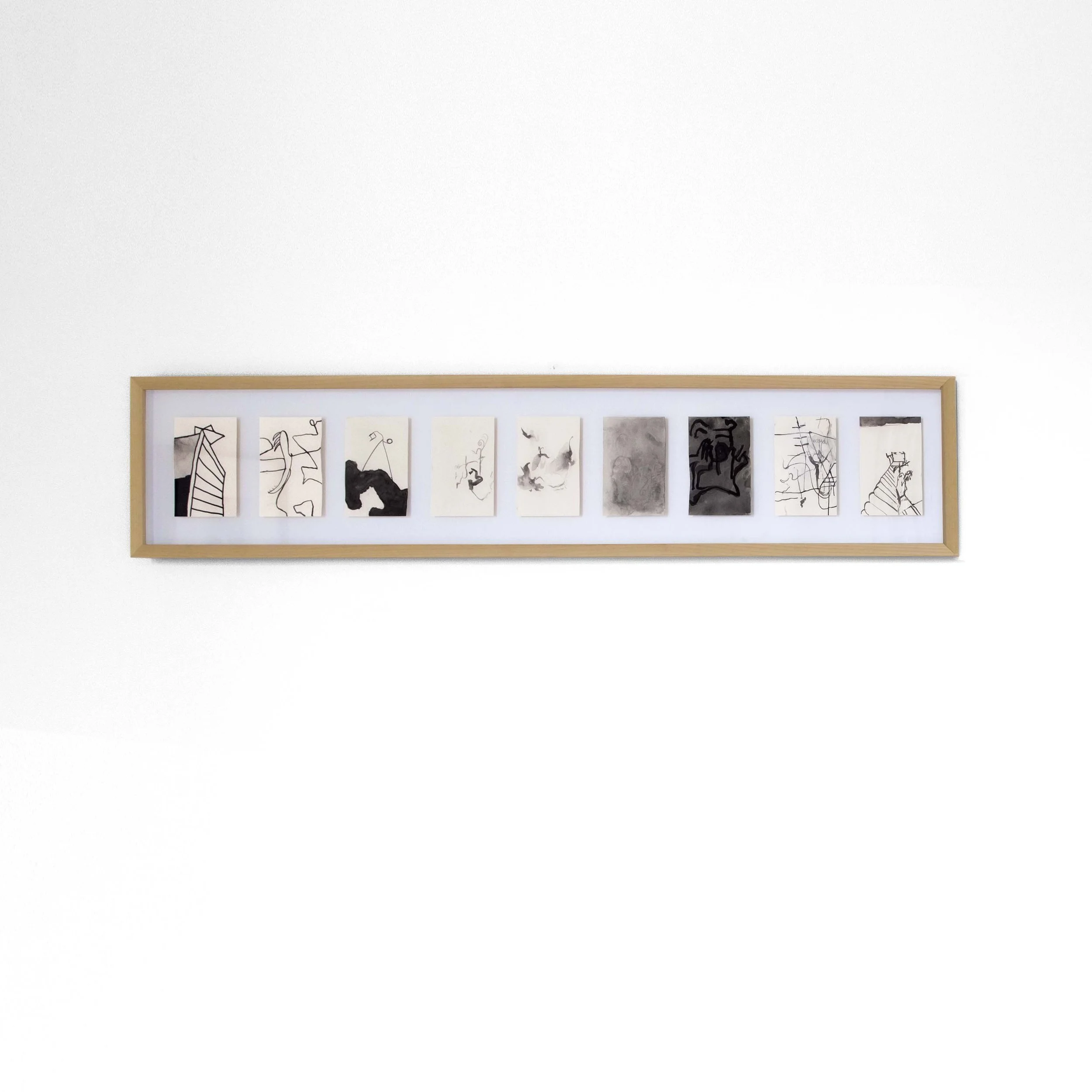
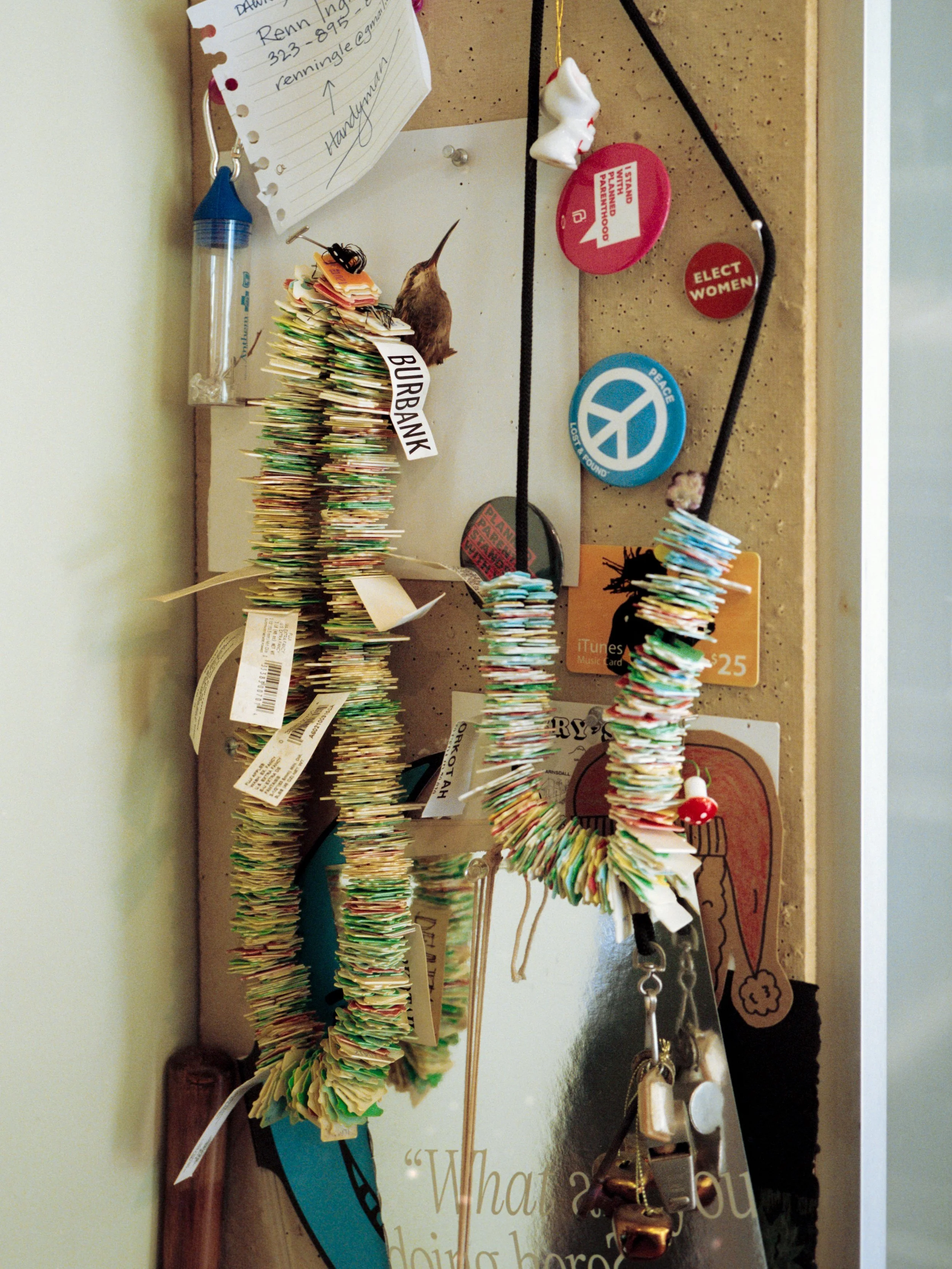
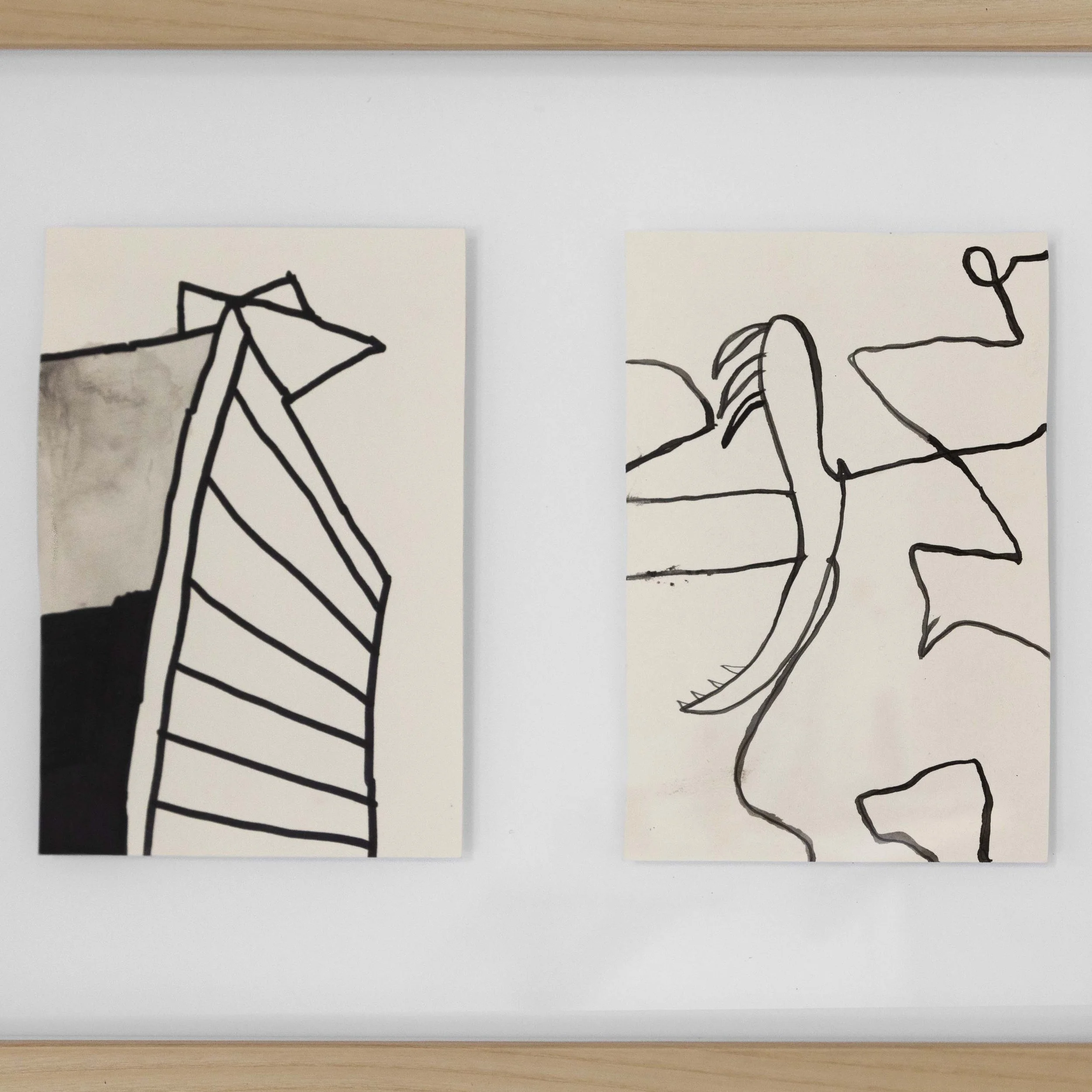
Featuring Deen Babakhyi, Jerry Bleem, Jack Kearney, Tatiana Sky, Flannery McDonnell, Jenna Beasley, Amy Stober, Cookie Bunk, Julia Yerger, and Megan Mi-Ai Lee
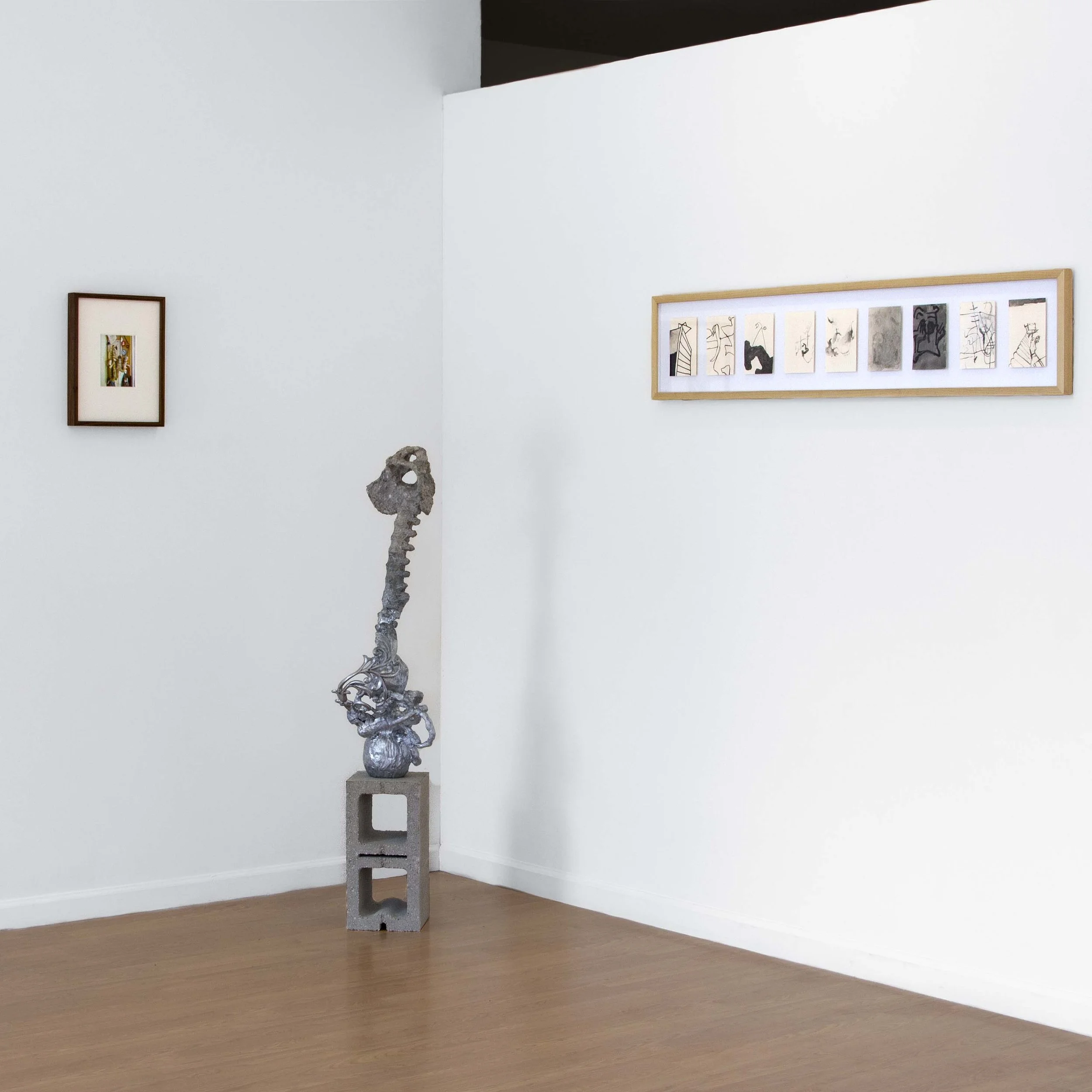
The first artist must have been good at waiting—waiting for their tool to leave its mark, waiting for the fire to catch, waiting for someone else to notice. The first museum, I suspect, was a modest attempt to commemorate these efforts: neat piles of moss and bones, a catalog of passing animals. We appear unable to resist assigning symbolic meaning to actions, objects, and places.
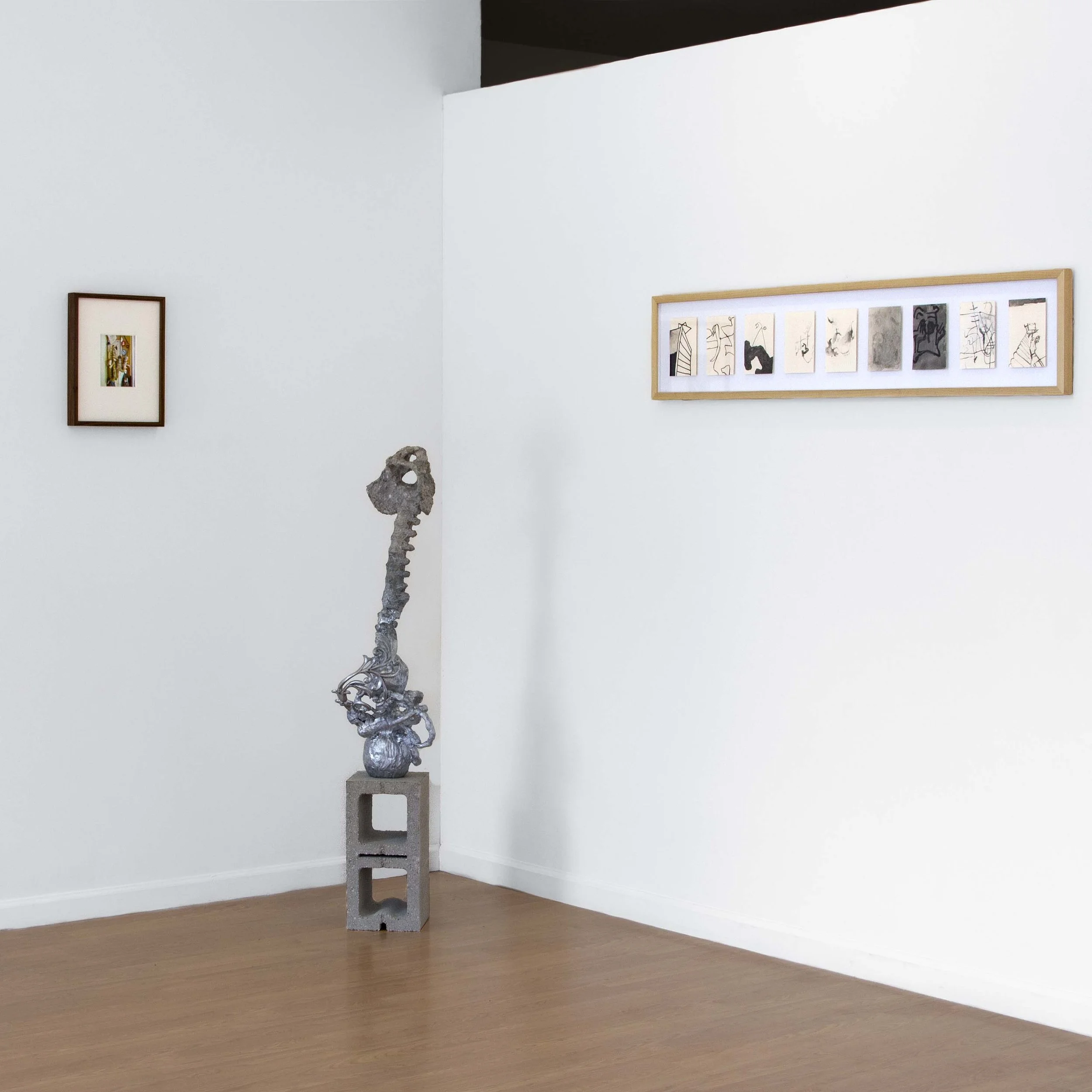
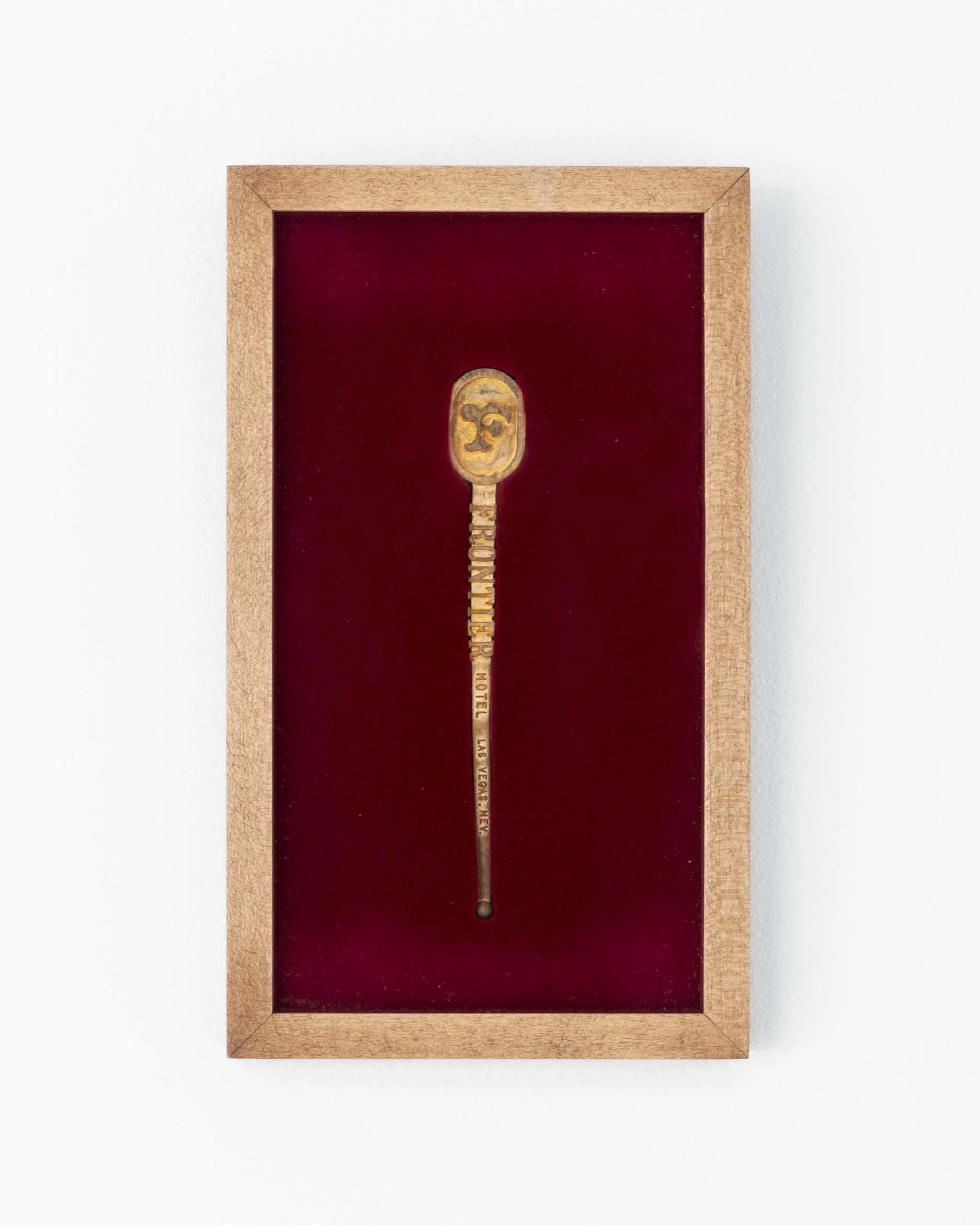
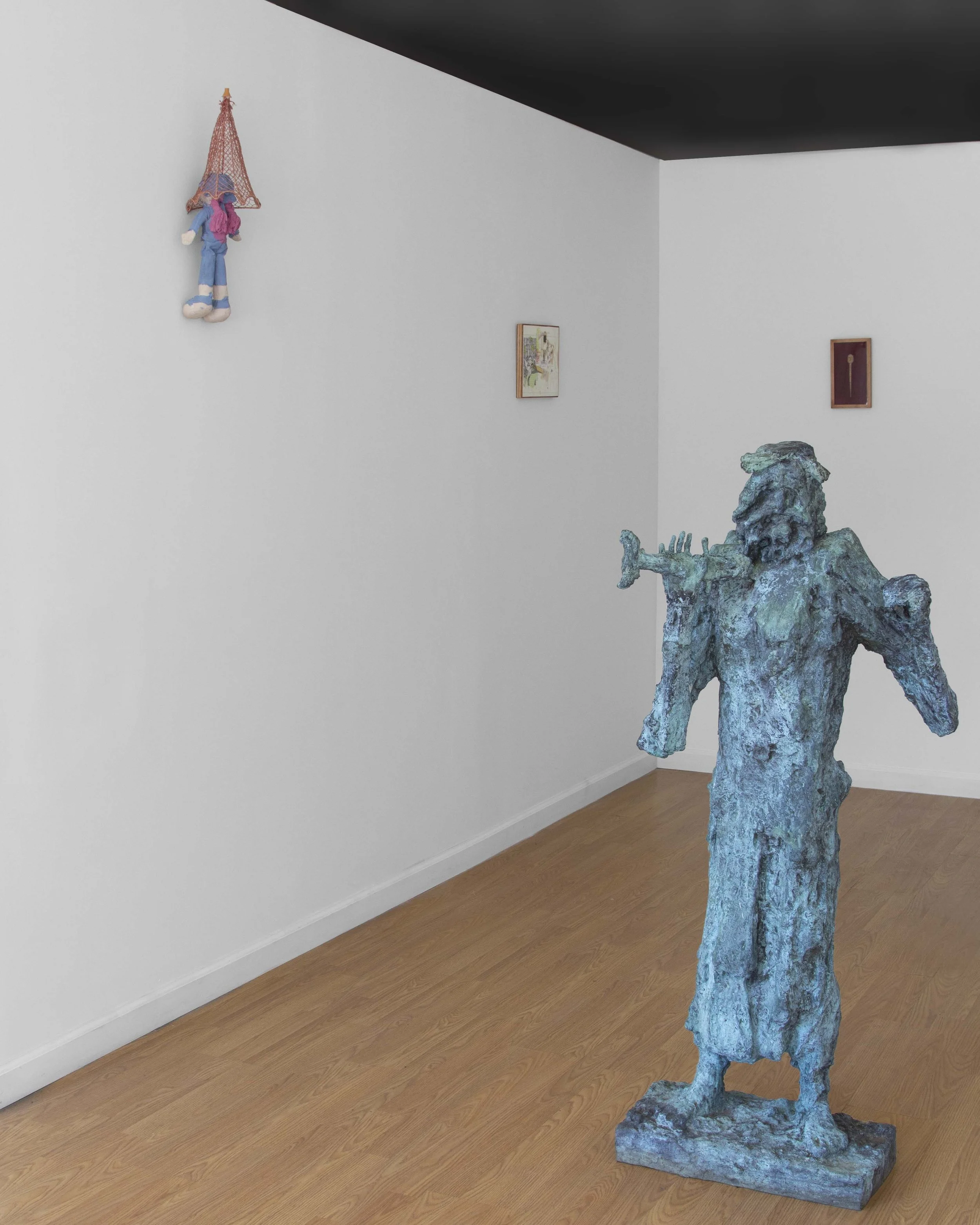
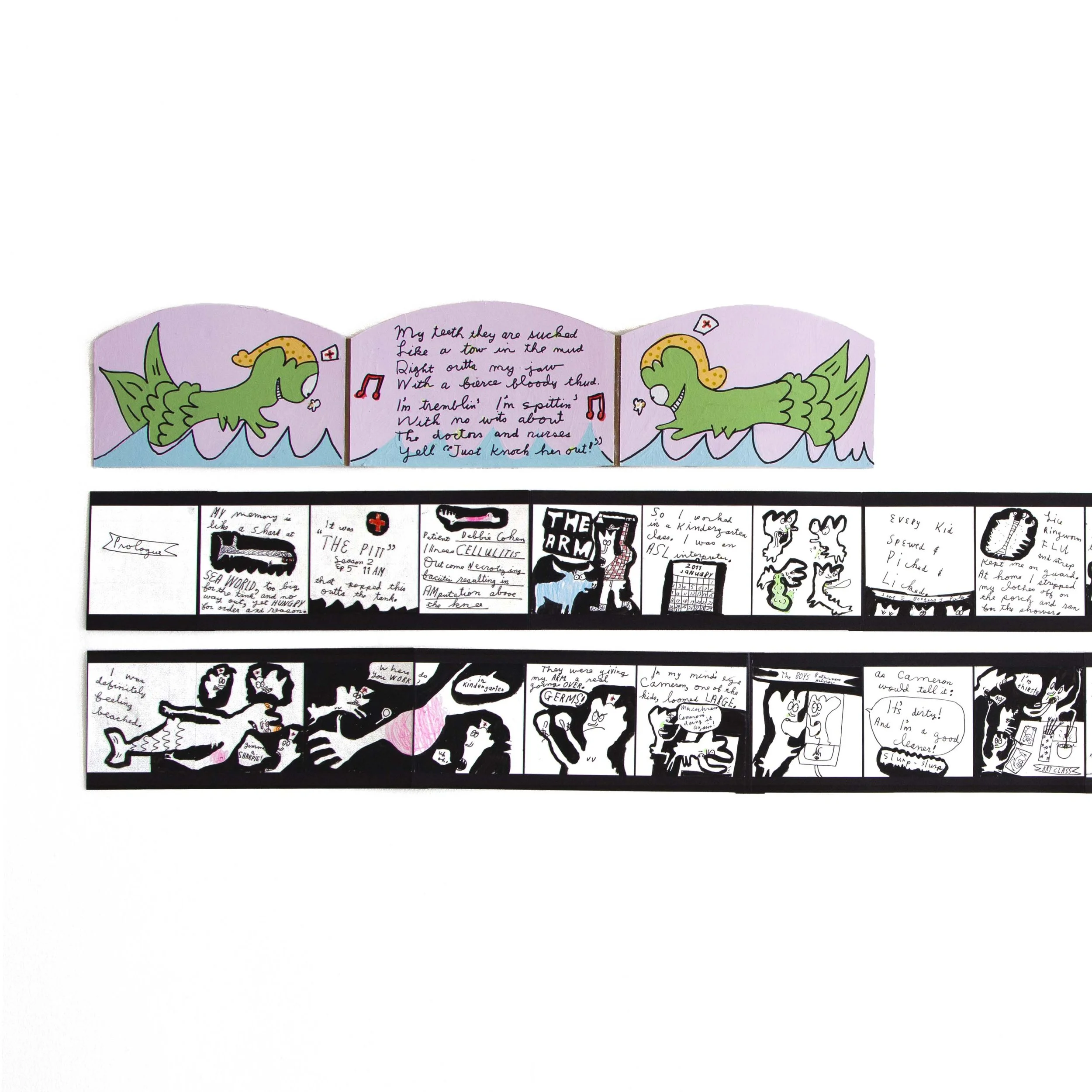
It is from this old and persistent habit that The Museum of I Love You So Much takes shape. The project proposes a conceptual container for what exceeds containment yet still asks to be kept: an archive of life as it is being lived. The first iteration of The Museum of I Love You So Much took place in December 2023 at Quarters Gallery, followed by a second in January 2025 at Melrose Botanical Garden. Now, in its third iteration and first venture outside Los Angeles, the project continues as a provisional structure for attending to what might otherwise pass unnoticed.
If you are only working to be loved, you are in trouble. Still, art is also for making friends. Nobody longs for a professional lover. We want an art that feels like love. Why doesn’t it? Something is in the way. Perhaps it is a table. In The Human Condition, Hannah Arendt describes the world of things placed between us, something like a table, which both relates and separates. When that table disappears, we are no longer joined by anything tangible. This project attempts to visualize that table, however temporarily: a place where objects, gestures, and fragments are set beside one another until, for reasons not always reducible to quality or intention, they begin to matter. Perhaps, this is love.
The “museum,” in the traditional sense, has always tried to stabilize such matters, to hold them still and give them a place to go. Yet a finical distance always remains between a thing and where it comes from, between the keepsake and the hour it commemorates, between the object and whatever first gave it charge. We persist in these efforts because the alternative is disappearance. What deserves preservation is seldom clear, and may not be the right thing at all. Because nothing is ever fully kept, we fail repeatedly. It is in this total and ordinary failure that hope persists, and with it our incurable optimism.
With Love,
Hannah Tishkoff
May 2026